


Getting mobility aids in Germany as a Ukrainian refugee requires understanding your eligibility under the temporary protection status and navigating the application process at local Jobcenters. This guide explains the key steps and necessary documents to help you secure essential support efficiently.
Eligibility Requirements and Legal Status for Ukrainian Refugees
Temporary protection status under § 24 of the German Residence Act (AufenthG) is the foundation for accessing mobility aids and social benefits. You must have registered with the local authorities (Anmeldung) and received your refugee registration certificate (Anmeldebescheinigung) or a temporary certificate (Fiktionsbescheinigung).
Applications must be submitted promptly after arrival. Adults aged 18 and above can apply independently, while minors need a legal guardian to handle applications. Your work authorization status may influence eligibility, but Ukrainian refugees generally have the right to work immediately. Families with children and pregnant women have special provisions to ensure quicker and easier access to assistance.
Documents and Preparation for Your First Jobcenter Visit
Before visiting the Jobcenter, gather all essential documents to avoid delays. You’ll need your passport, temporary protection certificate (Aufenthaltserlaubnis), and registration confirmation (Anmeldebescheinigung). A German bank account with an IBAN is required to receive benefit payments, but alternative options can be discussed if you don’t have one yet.
Bring proof of your housing situation, such as your rental agreement or temporary accommodation confirmation. If applicable, prepare medical documentation like pregnancy or disability certificates. Foreign documents often require official translations to be accepted.
Also, bring any previous work records and qualification certificates if you plan to apply for work-related benefits. Family documents such as marriage and children’s birth certificates are necessary for family benefit claims.
Bürgergeld Application Process and Benefit Amounts
The Bürgergeld application starts with scheduling your first appointment at the Jobcenter where you submit all required documents. In 2024, the standard rate is €502 per month for single adults and €451 for partners, with additional allowances for children depending on their age.
You may also receive support for housing and heating costs along with one-time payments like an initial equipment allowance for setting up a new home. If you have special dietary needs or disabilities, there are extra supplements available.
The decision process usually takes 4–6 weeks, and interim payments can help during this period. If your application is denied or you believe the benefits are insufficient, you can file a formal appeal called a Widerspruch.
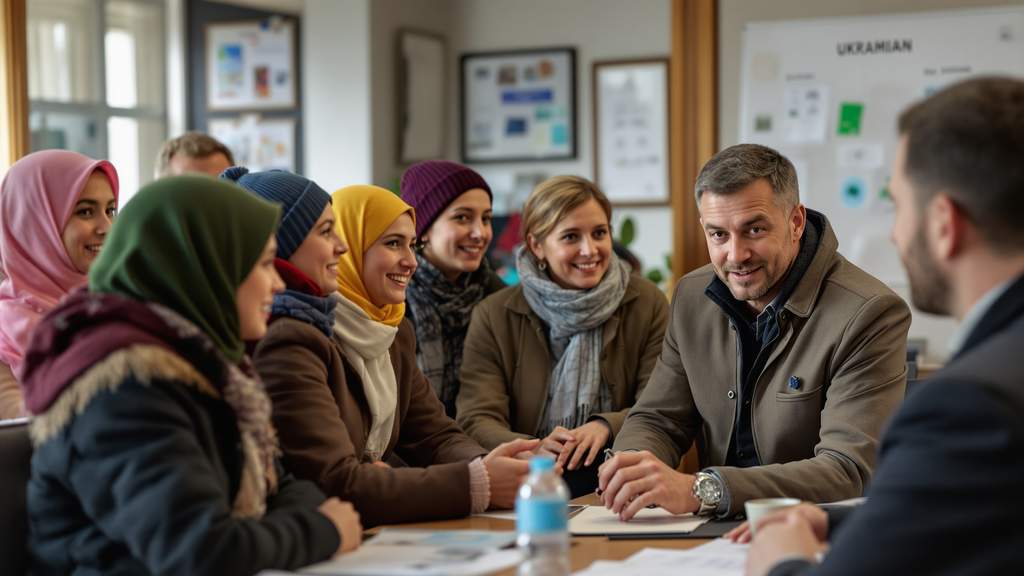
Ongoing Obligations and Integration Support Services
After receiving Bürgergeld, you have to stay engaged with the integration process by regularly reporting your job search activities and any income changes monthly. Participating in German language classes (Integrationskurs) and orientation courses is important for improving your chances of employment.
You must fulfill job application quotas and take part in job placement services. The Jobcenter also ensures you are enrolled in mandatory health insurance. Families can apply for child benefits (Kindergeld) which complement Bürgergeld support, and students may qualify for educational aid (BAföG) or vocational training allowances.
Your situation is actively reviewed to support your pathway from temporary protection to permanent residency and employment in Germany, making mobility aids part of a broader integration strategy.
For more detailed help, visit the службы поддержки аутистов в Германии for additional integration services and guidance.
Sources
- German Federal Employment Agency — Guidelines and benefits details
- German Residence Act (Aufenthaltsgesetz) § 24 — Legal framework for temporary protection
- 2024 Social Code Regulations — Current Bürgergeld rates and allowances