




The process of obtaining mobility aids in Germany is accessible to Ukrainian refugees holding temporary protection status, offering crucial support for those with mobility challenges. This guide breaks down the key steps, legal eligibility, and support services to help you navigate this important aid as smoothly as possible.
Eligibility Requirements and Legal Status for Ukrainian Refugees
In Germany, Ukrainian refugees must have a temporary protection status under § 24 of the Residence Act (AufenthG) to be eligible for mobility aids. This requires formal registration with local authorities, documented by the “Anmeldebescheinigung” or “Fiktionsbescheinigung.” You should submit your application for this status within specific timeframes after arriving in Germany.
Adults aged 18 and above can apply independently, while minors need a guardian to apply on their behalf. Your work authorization status also influences your eligibility for benefits, with special provisions in place for families with children and pregnant women to secure the necessary aids.
Documents and Preparation for Your First Jobcenter Visit
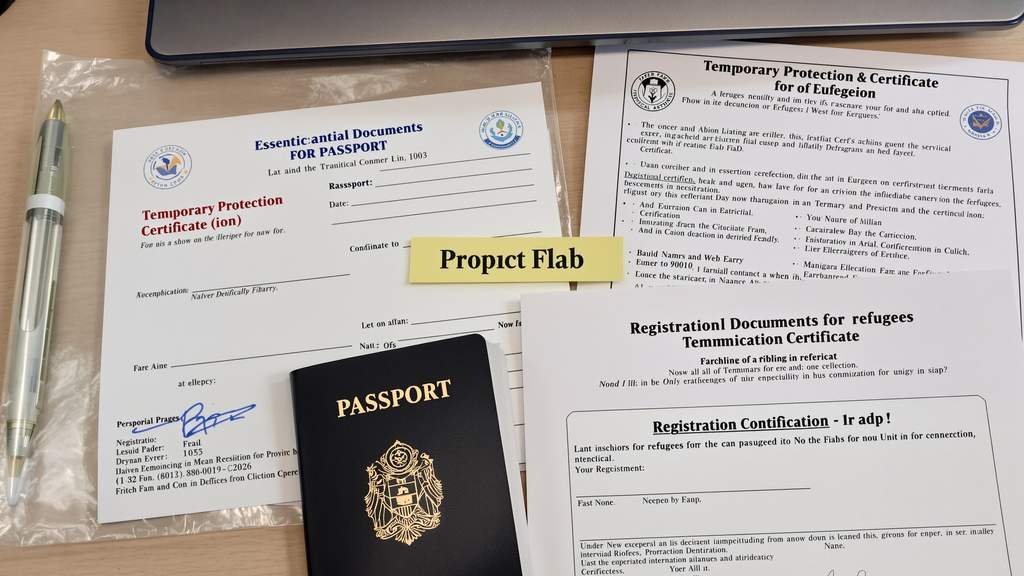
Preparing the right documents ensures your visit to the Jobcenter goes smoothly. Essential paperwork includes your passport, temporary protection certificate, and Anmeldebescheinigung. If you plan to receive benefits, you must have a bank account with a German IBAN. If you don’t have one yet, the Jobcenter can guide you on alternative options.
Bring confirmed housing documents like your rental agreement or confirmation of temporary accommodation. Medical records such as pregnancy or disability certificates can support your claim, and remember to provide official translations for any foreign documents. If you’re applying for work-related benefits, bring previous employment records and qualifications. Family certificates, such as marriage and birth certificates, are also required.
Bürgergeld Application Process and Benefit Amounts
Begin your Bürgergeld application by scheduling an appointment at the Jobcenter, where you’ll submit all required documents. As of 2024, the monthly Bürgergeld rate stands at €502 for single adults and €451 for partners. Families receive extra child allowances according to the child’s age.
You’re also entitled to housing cost coverage and heating allowance. One-time payments like an initial equipment allowance and furniture grants are available if you move into a new apartment. Special supplements exist for specific diets and disability-related expenses. Initial processing usually takes 4–6 weeks, but you can request interim payments to cover immediate needs. If you disagree with any decision, you have the right to file a formal appeal (Widerspruch).
Ongoing Obligations and Integration Support Services
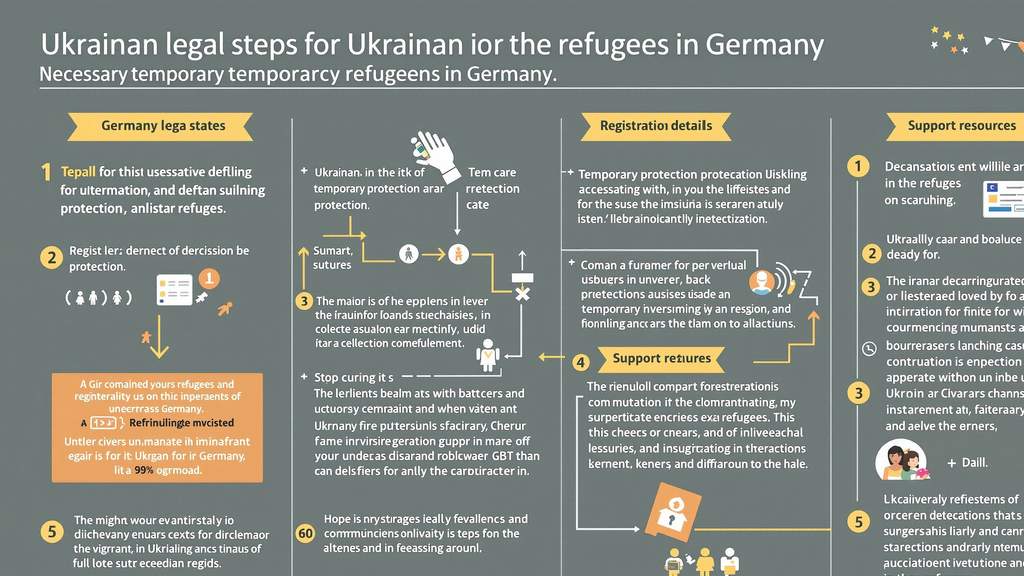
Once you receive benefits, you must regularly report updates on your job search and any changes in income to the Jobcenter. Participating in integration courses such as German language and orientation classes is usually required to support your employment prospects.
Employment agencies expect you to actively seek jobs and participate in job placement programs. Your healthcare registration through the Jobcenter is mandatory to ensure access to medical services. Coordination with child benefits (Kindergeld) helps maximize support for families. Students may qualify for educational assistance, including vocational training subsidies. Planning ahead can open pathways from your temporary protection status toward permanent residency and employment opportunities.
Throughout this process, being prepared with the right documents and engaging actively with support services makes a significant difference in accessing the right mobility aids and benefits efficiently.
For detailed steps on applying for mobility aids, see the full jobcenter application guide and integration tips.
Sources
- Bundesagentur für Arbeit — Official Guidelines
- German Residence Act (Aufenthaltsgesetz) § 24
- Social Code Regulations 2024
- Based on current knowledge of German social welfare law and Ukrainian refugee assistance programs