



Getting access to mobility aids in Germany is a crucial step for many Ukrainian refugees facing physical challenges. This guide simplifies the process and highlights how to navigate requirements and benefits effectively under German law.
Understanding Eligibility and Legal Status
As a Ukrainian refugee, you need a temporary protection status known as Aufenthaltserlaubnis according to § 24 of the German Residence Act (AufenthG). This status is the cornerstone that allows you to apply for social benefits and access mobility aids.
Registration with local authorities (Anmeldung) and having a refugee registration certificate (Anmeldebescheinigung) are essential steps to confirm your legal residence. You must submit your application within specific timeframes after arrival to qualify for these benefits.
Adults aged 18 and over can apply for mobility aids independently, while minors require a guardian’s assistance. Your work authorization status may also influence your benefit eligibility, with additional support available for families with children and pregnant women.
Preparing for Your First Jobcenter Visit
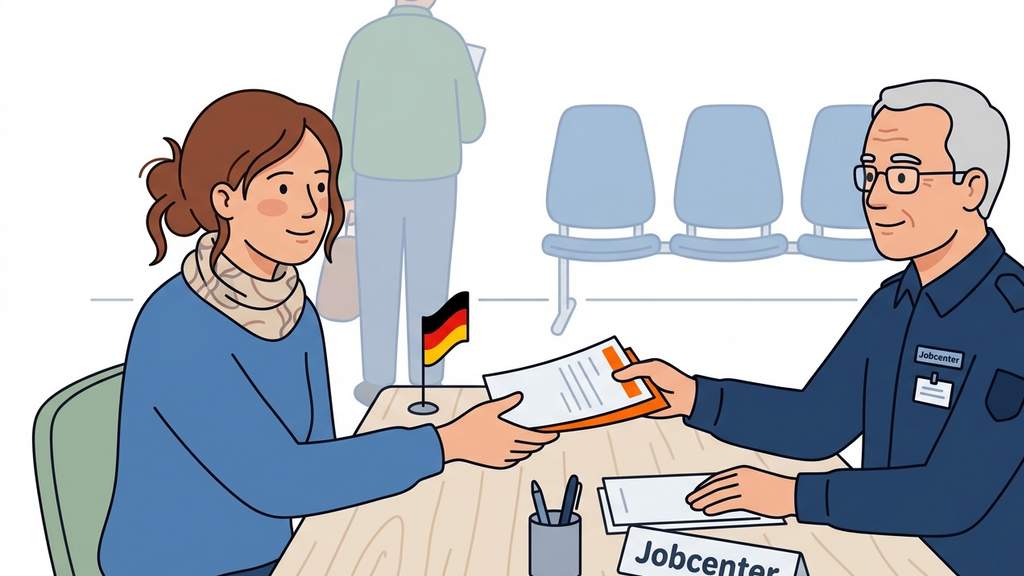
Before attending your initial appointment at the Jobcenter, gather all necessary documents to ensure a smooth application. These include your passport, temporary protection certificate (Aufenthaltserlaubnis), and confirmation of registration (Anmeldebescheinigung).
You’ll need a German bank account with an IBAN for benefit payments. If you don’t have one yet, some alternatives might be possible. Also, bring housing documents such as your rental agreement or proof of temporary accommodation.
Medical certificates, especially if you are pregnant or have a recognized disability, should be ready along with officially translated documents if they’re not in German. If you seek work-related benefits, prepare any previous employment records and qualifications. Families should bring marriage and birth certificates for their children.
The Bürgergeld Application Process and Benefit Details
Applying for Bürgergeld at the Jobcenter starts with scheduling an appointment and submitting your documents. This process usually takes about 4–6 weeks, but interim payments can help cover urgent needs while your application is processed.
The current monthly Bürgergeld rate for single adults is €502, with partners receiving €451. Families benefit from child allowances that vary by age. Additional support covers housing and heating costs, as well as one-time payments for things like home setup and furniture.
There are special supplements for disability-related costs or specific dietary needs. If your application is denied or the benefits provided are insufficient, you can file a Widerspruch, an appeal, to request a reconsideration.
Meeting Ongoing Obligations and Accessing Integration Support
Once your benefits begin, you’ll have to regularly report employment changes or income updates to the Jobcenter. Participation in integration courses, such as German language classes (Integrationskurs) and orientation programs, is usually required.
Job application activities and cooperation with placement services are part of your responsibilities under the Eingliederungsvereinbarung agreement. Healthcare coverage through mandatory insurance is organized by the Jobcenter as well.
Families can coordinate child benefits (Kindergeld) alongside Bürgergeld, and students might be eligible for BAföG educational support or vocational training allowances. Planning for a long-term future includes pathways from temporary protection to permanent residency and employment.
For further detailed guidance, you may find helpful information on how to get mobility aids in Germany.
Sources
German Federal Employment Agency guidelines, German Residence Act § 24, and Current Bürgergeld rates 2024.