




Germany offers a range of **social benefits and support services** for Ukrainian refugees facing autism spectrum disorder (ASD). Understanding these options helps families access the right care, financial assistance, and community resources in their new environment.
Understanding Autism Support in the German Healthcare System
Germany recognizes autism using the ICD-10 classification system, where ASD falls under code F84. The healthcare system supporting autism involves statutory health insurance and various social services aimed at early intervention and integration.
The German framework is quite different from the Ukrainian approach, focusing strongly on early and continuous support through services like Frühförderung (early intervention) and Eingliederungshilfe (integration assistance). Understanding German terms is essential for accessing the right assistance.
The Diagnosis Process: First Steps for Ukrainian Families
The journey starts with visiting a pediatrician (Kinderarzt), who refers the child to specialized centers such as Sozialpädiatrisches Zentrum (SPZ) or child psychiatry departments. Families should prepare all existing medical documentation, translated into German if possible, to support the evaluation.
Waiting for a specialist appointment can take between three and twelve months, depending on location. To help during this period, translation and cultural mediation services are often available to assist communication between families and healthcare providers.
Navigating Available Support Services and Financial Assistance
Once diagnosed, a variety of therapies covered by statutory health insurance become accessible, including occupational therapy, speech therapy, and behavioral therapy. Children under six can benefit specifically from Frühförderung. Educational support options like integration assistants (Schulbegleiter) help children participate in regular schooling.
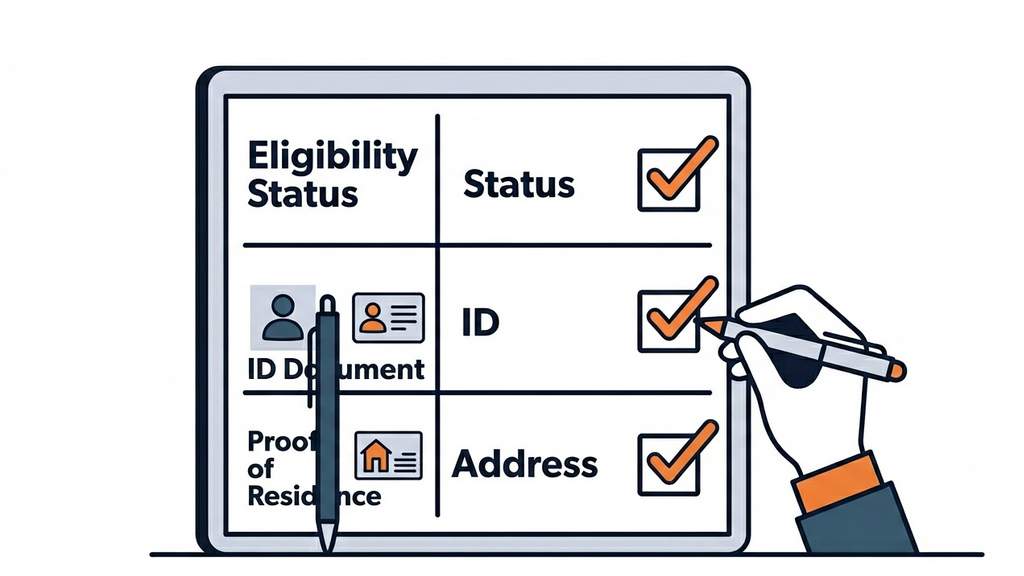
Financial support includes care allowance (Pflegegeld), which varies by care level, and disability cards (Schwerbehindertenausweis), offering additional benefits. Refugees initially receive healthcare under the Asylum Seekers Benefits Act (AsylbLG), which covers urgent health needs but may limit autism services until full coverage eligibility is met.
Support Groups and Community Resources
Several autism advocacy organizations, such as Autismus Deutschland e.V., provide crucial information and community connections. Specialized therapy centers and refugee-focused support groups offer help in multiple languages, including Ukrainian.
Large cities like Berlin and Munich have intercultural services designed to assist families with autism, including language learning programs and online communities. These networks provide emotional support and practical advice for everyday challenges.
Practical Strategies: Day-to-Day Living and Integration
For school enrollment, families can choose between inclusive education or special schools depending on the child’s needs and available resources. Access to community activities, including sports and arts, encourages social inclusion.
Communicating with German authorities may require templates or key phrases—local support groups can assist in this. Building a network of other Ukrainian families is beneficial for shared experiences and advice. Planning ahead for adulthood, including vocational training, is crucial for long-term well-being.
Step-by-Step Guidance for Ukrainian Refugees
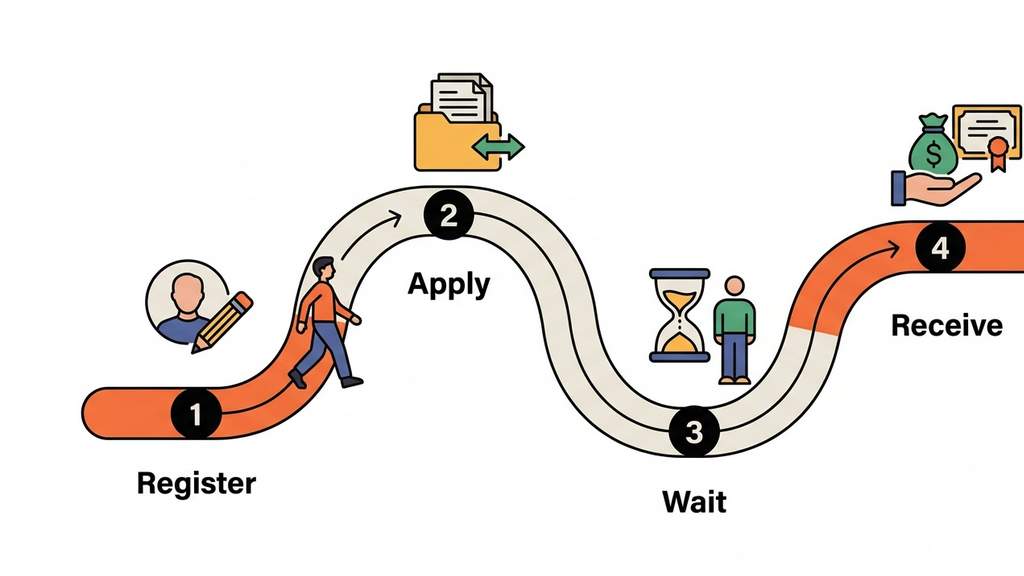
Here is a simple path to follow when applying for autism-related benefits in Germany:
- Register with local authorities and obtain a health insurance card.
- Find a pediatrician experienced with refugee families.
- Request a referral to diagnostic centers and mention autism concerns.
- Arrange translation aid for appointments and assessments.
- Gather and organize all prior medical documents.
- Reach out to autism organizations for further support and advice.
- After diagnosis confirmation, apply for financial and social benefits.
Using digital tools that translate important autism-related terms can also make visits to healthcare providers less stressful.
Understanding Key German Terms
Some important words to know include:
- Kaltmiete: Rent excluding utilities
- Warmmiete: Rent including utilities
- Kaution: Security deposit
- Frühförderung: Early intervention support
- Eingliederungshilfe: Integration assistance
Being familiar with these terms helps when dealing with leases or social support applications.
Conclusion
Accessing autism support in Germany can be challenging but attainable with clear steps and the right help. By understanding diagnosis procedures, exploring therapy options, applying for financial aid, and connecting with community resources, Ukrainian refugee families can build a supportive environment for their children’s growth.
Sources
For detailed information, please visit the following resources: