


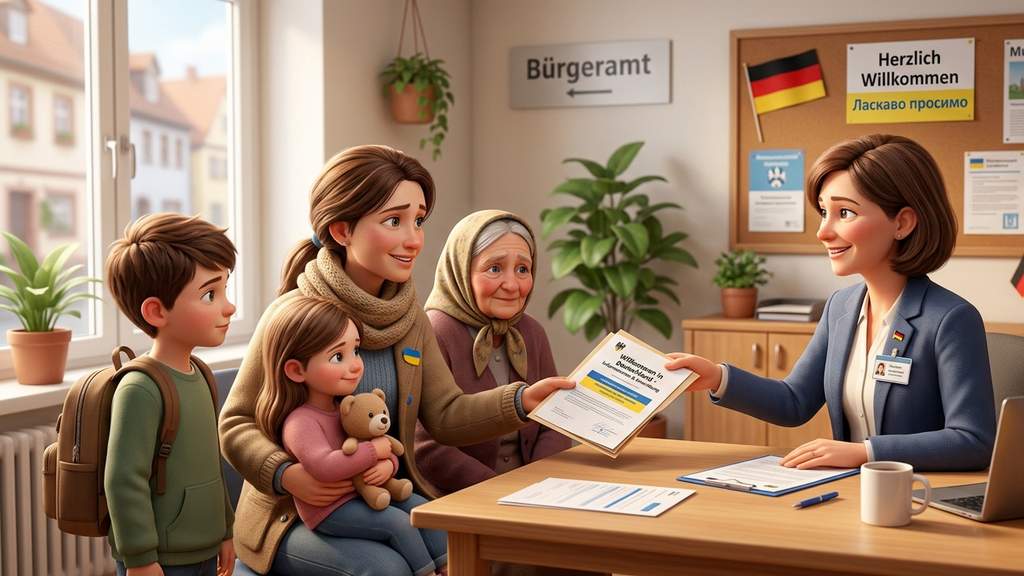

Financial support and social benefits play a vital role in helping Ukrainian refugees adapt to life in Germany. Understanding the available assistance options provides a foundation for securing stability and building a new life.
Overview of Financial Assistance Available in Germany
Germany offers a range of financial assistance programs to support refugees during their initial resettlement phase. In 2022, about 200,000 Ukrainian refugees received financial aid to help cover their basic needs, reinforcing how critical these supports are in easing the transition.
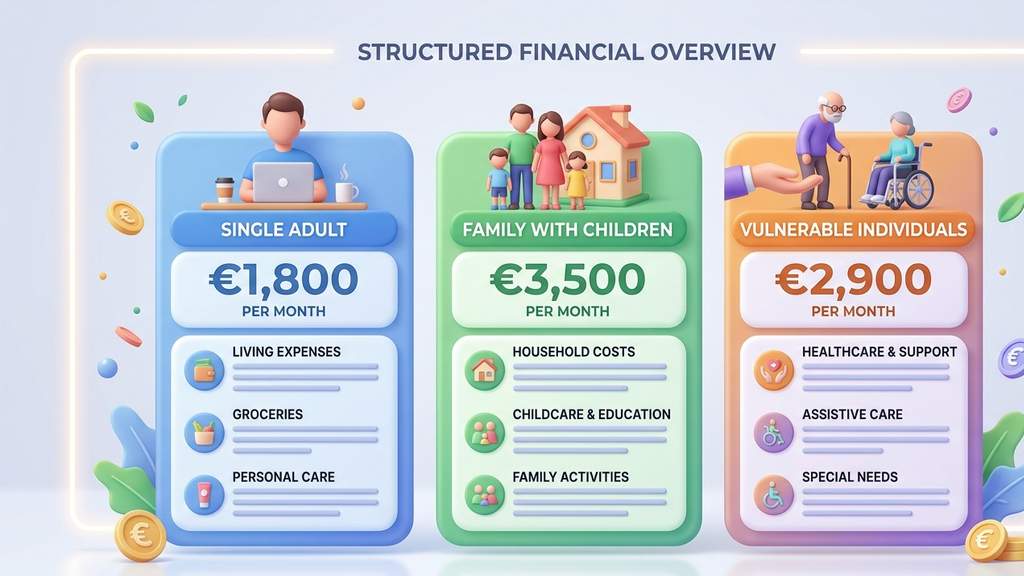
For instance, asylum seekers typically receive a monthly basic financial support of €445. Vulnerable groups, such as families with children, may qualify for increased benefits, which can reach up to €600 per month. These funds help cover daily expenses and stabilize living conditions.
To access this assistance, it’s essential to register at your local municipality, prepare identification documents, and seek guidance from NGOs experienced in refugee support. This ensures you’re properly connected to the social services designed to help you.

Understanding the Jobcenter
The Jobcenter is a key institution in Germany that helps refugees access unemployment benefits and employment services. In 2022 alone, they handled over 300,000 refugee applications, highlighting their central role in economic integration.
Many refugees face challenges such as language barriers, with 55% reporting difficulties accessing services. Additionally, initial consultations can take four to six weeks on average, which may require patience and preparation.
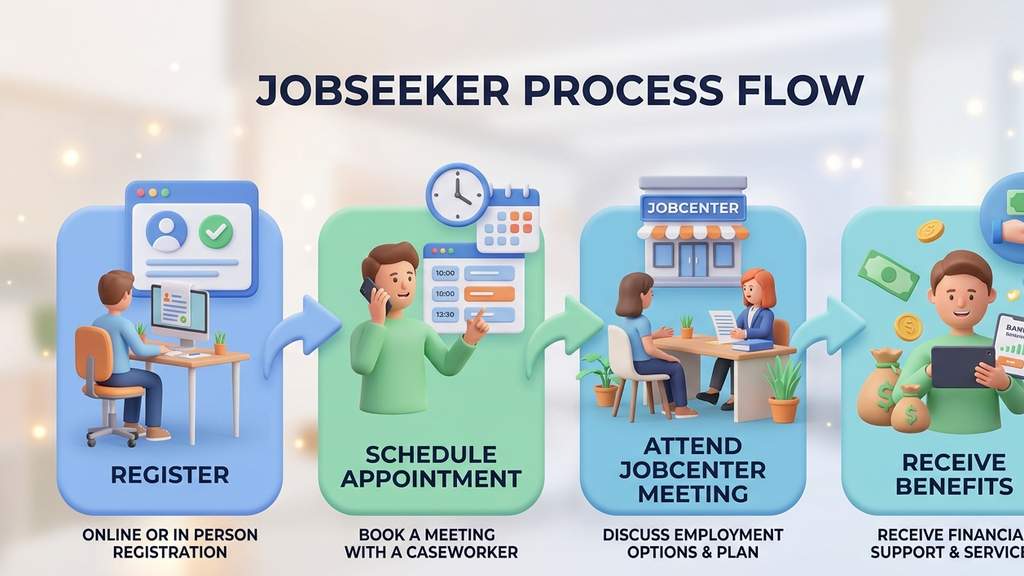
For a smoother experience, scheduling an appointment ahead of time, bringing proper documentation, and utilizing language support services during your visit can significantly improve communication and access to resources.
Accessing Social Benefits
Social benefits in Germany extend beyond monthly financial aid to include housing assistance, health insurance, and family allowances. Refugees become eligible for many of these benefits after residing in Germany for more than three months.
Despite the variety of support—over 30 types of social benefits—approximately 40% of refugees are unaware of their eligibility, which can delay access to critical aid. Increasing awareness is therefore essential to avoid unnecessary hardships.
To apply for these benefits, review the Jobcenter’s guidelines, gather necessary documents like residency permits, and seek help from local NGOs that can assist with completing applications.
Challenges Faced by Refugees with Chronic Illnesses
Chronic illnesses pose significant difficulties for many refugees, with 30% reporting health problems exacerbated by displacement and living conditions. Access to medications remains a major challenge, as 70% of those affected struggle to obtain necessary treatments.
Over half of refugees with chronic conditions also report problems accessing healthcare services, underscoring the need for targeted support and advocacy. Tailoring healthcare provisions to these individuals is crucial for their well-being and integration.
Document your health conditions carefully, connect with healthcare providers in advance, and seek out local support groups specializing in chronic illness advocacy to improve your access to care.
Legal Rights and Protections in Employment Contracts
Understanding your employment rights protects you from exploitation. In Germany, the minimum wage stands at €12.41 per hour, and labor laws require employers to provide a written contract within one month of starting work.
Alarmingly, about 40% of refugees have reported job offers below the minimum wage, which highlights the importance of knowing your rights. Always request and carefully review contracts before signing, and reach out to labor rights organizations if you face unfair treatment.
Sharing this knowledge within your community strengthens collective awareness and helps ensure fair work conditions for all refugees.
Additional Resources
Several NGOs like the Red Cross and Caritas provide extensive support and information for refugees. Local community centers often host support groups and workshops that help newcomers connect with services and social networks.
Online platforms such as Integrierte Flüchtlingshilfe offer directories to locate essential services tailored for refugees. Engaging with these resources can significantly ease your transition and build valuable community connections.
Attending local meetings not only helps you gather information but also fosters solidarity among refugees, which is vital during the adjustment period.